How many dance classes per week are recommended according to age?
One of the most common questions we get from families when looking for a dance school in Barcelona is: How many dance classes should my child take per week?
The short answer is: it depends.
It depends on age, level, motivation… and most of all, the goal. It’s not the same to discover dance as an extracurricular activity as it is to start building a more solid education.
To help guide you, we share a small guide based on our experience accompanying children and young people in their training.
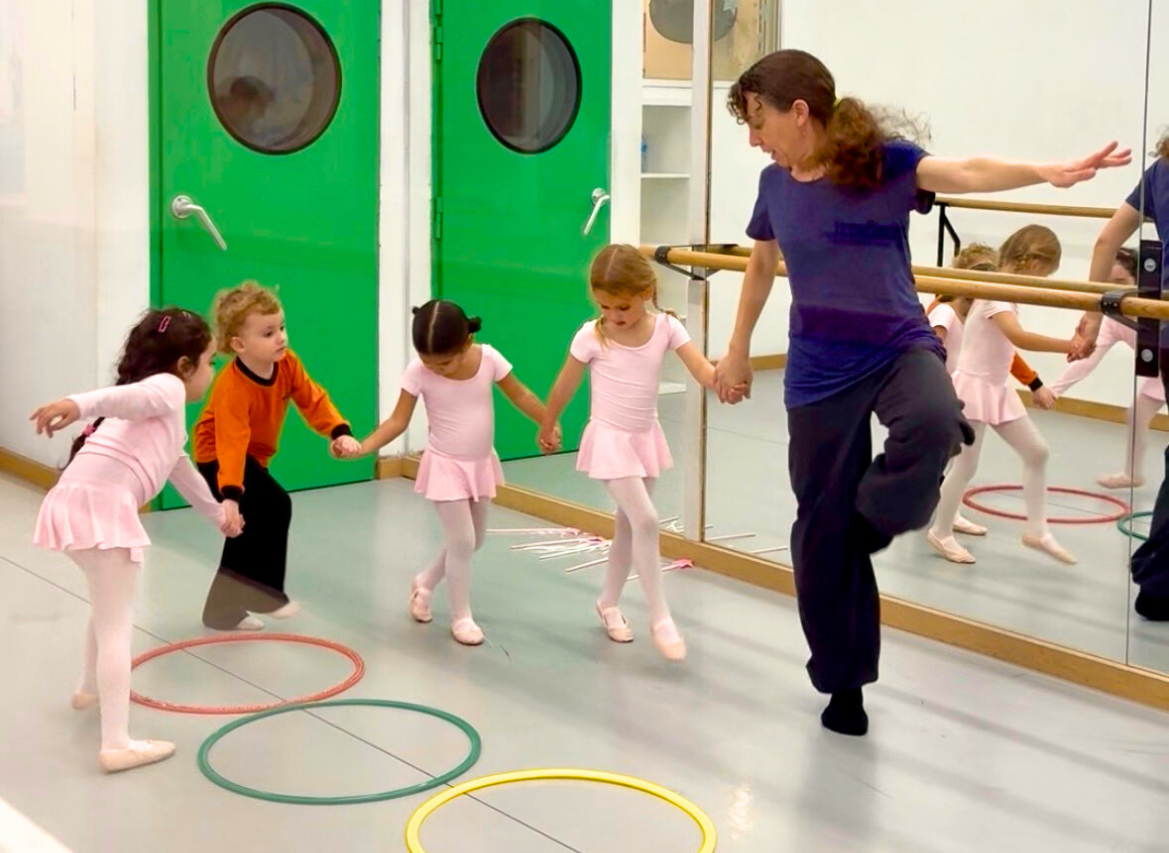
3 to 5 years: discovering movement (1 class per week)
In the preschool stage, dance is primarily exploration and play.
The most recommended approach is usually one dance class per week at a children’s dance school in Barcelona that focuses on aspects such as psychomotor skills, musicality, and basic coordination.
At this age, the goal is not technique, but rather:
- developing body awareness
- improving balance and coordination
- encouraging creativity
- learning to move in a group
More classes do not necessarily mean more progress. What’s important is that the experience is positive and that the child leaves the dance class wanting to come back the following week.
6 to 8 years: starting to build technical foundations (1 to 2 classes per week)
At this stage, a clearer technical foundation begins to appear, while still maintaining the playful component.
Many children begin practicing with one dance class per week, and if they enjoy it or show interest, two classes per week are usually a very good combination.
In these classes, they begin to work on:
- posture
- more precise coordination
- choreographic memory
- structure and dynamics of a dance class
Adding a second dance class at a children’s dance academy per week helps consolidate what’s been learned and allows for more continuous progress without making the activity too demanding.
9 to 12 years: a key stage (2 to 4 classes per week)
Between the ages of 9 and 12, many students discover that dance becomes something more than just an extracurricular activity.
If there is interest, it is common to move to 2 or 3 dance classes per week, and some students enjoy expanding to 4 classes to combine different styles.
At this stage:
- the body is more prepared to work on technique
- disciplines can be combined (ballet, contemporary, jazz…)
- physical endurance improves
- greater body awareness is developed
Two dance classes allow for continuous progress.
Three or four classes start to show more visible evolution, as long as the student maintains motivation.
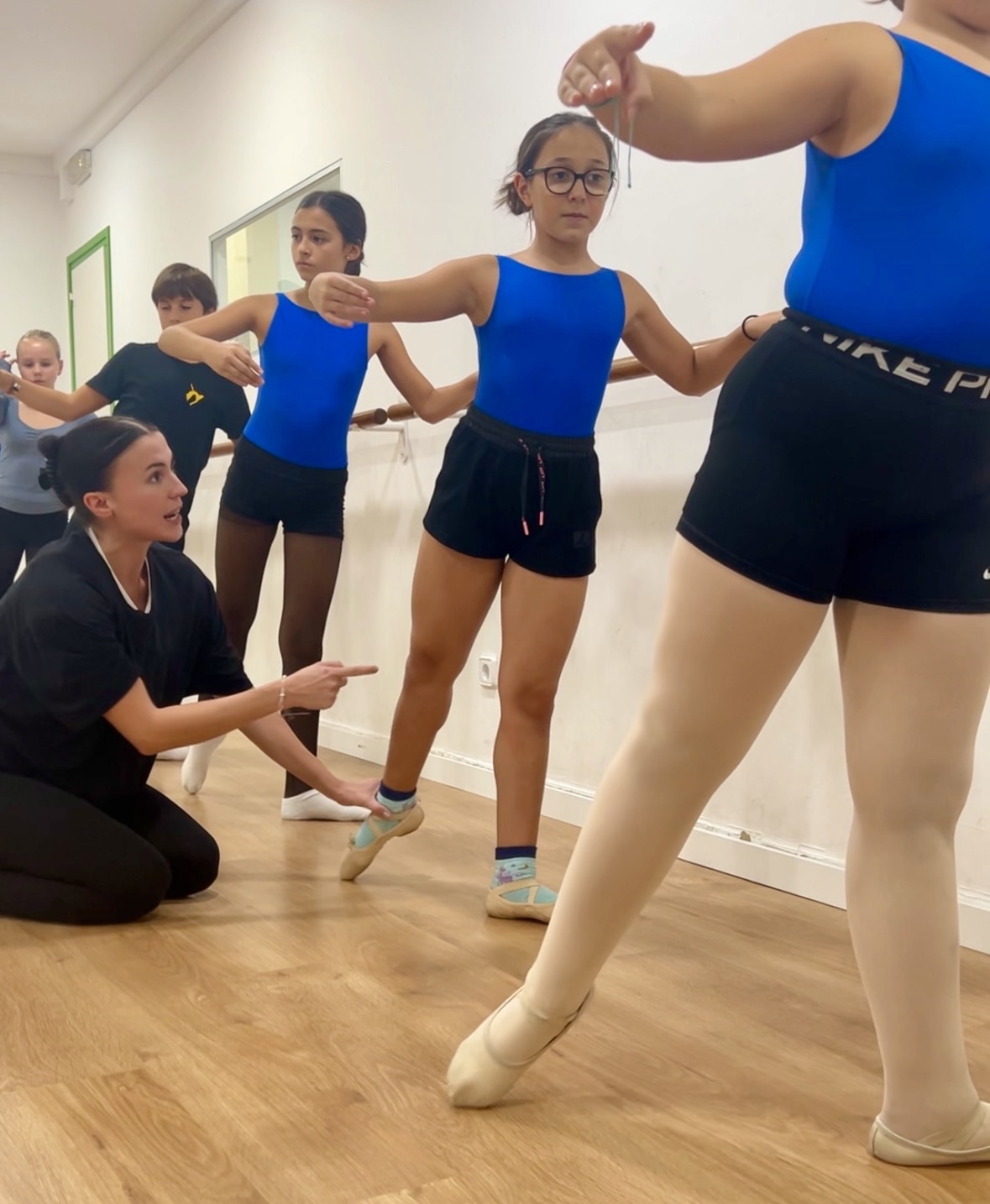
13 to 15 years: commitment and growth (3-5 classes per week)
The number of dance classes for teens per week depends a lot on the personal goal.
For those who practice dance as a complementary artistic activity, 2 or 3 classes per week may be sufficient.
If there is a stronger interest or a desire to go deeper, many students enjoy working between 3 and 5 dance classes per week at a dance academy in Barcelona with a solid technical structure.
At this stage, the work becomes deeper:
- technique
- strength and flexibility
- interpretation
- versatility in styles
Consistency begins to make a clear difference in progress.
From 16 years onward: amateur or pre-professional orientation
From 16 years old, each dancer begins to define their relationship with dance.
For those who want to keep it as an artistic activity in their life, 2 or 3 dance classes per week allow them to continue enjoying and evolving.
For those who feel a stronger calling, training is usually expanded to 4 or more classes per week, combining technique, repertoire, choreographic creation, and physical preparation.
More than the number of dance classes for adults, what’s important is the quality of the guidance and the structure of the program.
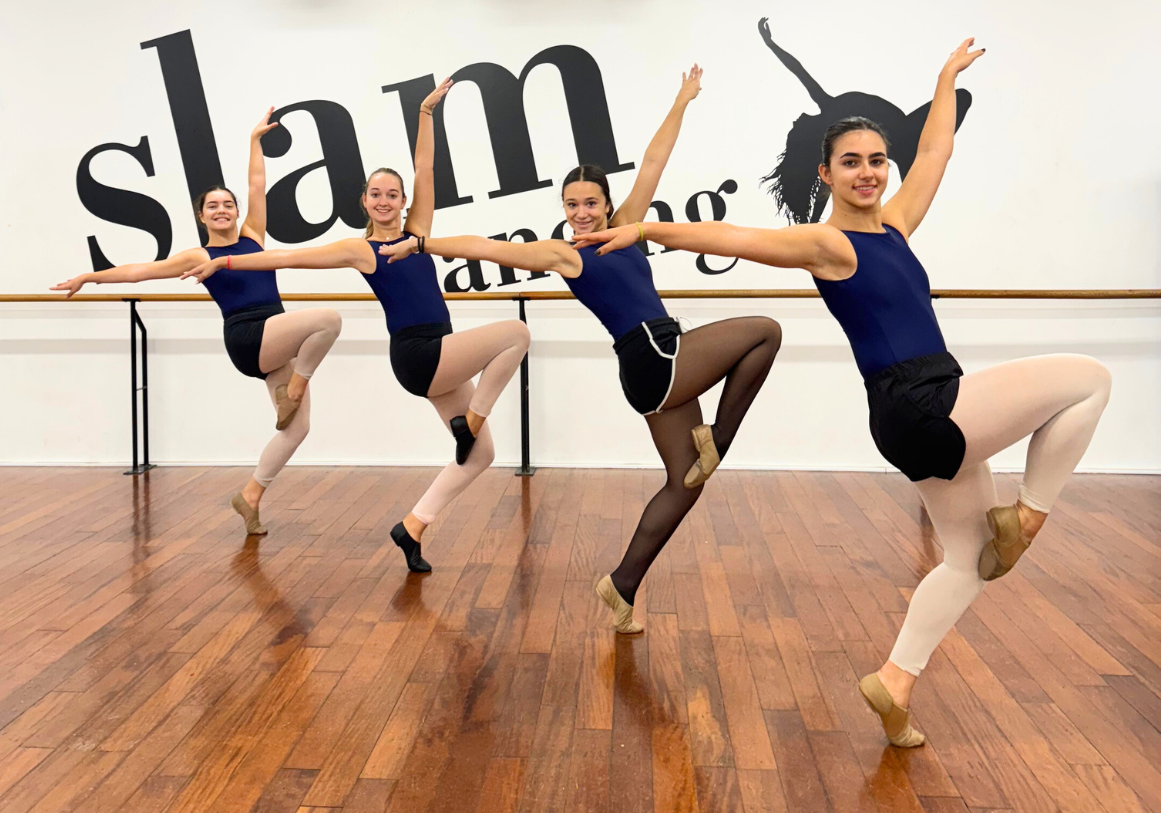
Do more dance classes mean better results?
Not necessarily.
The quality of teaching and a coherent pedagogical structure are much more important than accumulating hours without direction.
A good school guides each family by considering:
- age
- technical level
- the maturity of the student
- their personal goals
At Slam Dancing, we accompany each student to find the balance between enjoyment, demands, and growth.
Signs it may be a good time to add more classes
Some signs we observe when a student is ready to expand their training:
- practices at home spontaneously
- shows curiosity for new styles
- asks about shows or performances
- progresses easily in class
- requests new challenges
Motivation is often the best indicator.
Finding the right balance
Dance should add to the life of the child or teenager, not cause exhaustion.
The number of classes is not a fixed decision: it can be adjusted each year according to the student’s development, age, or interests.
The most important thing is to have a professional, structured, and stimulating environment where each hour of class makes sense.
At Slam Dancing, we work with programs adapted to each stage, from initiation and advanced levels to professional dance training in Barcelona.
Because in the end, it’s not just about how many dance classes you take, it’s about how those classes help build confidence, discipline, and a love for movement.